
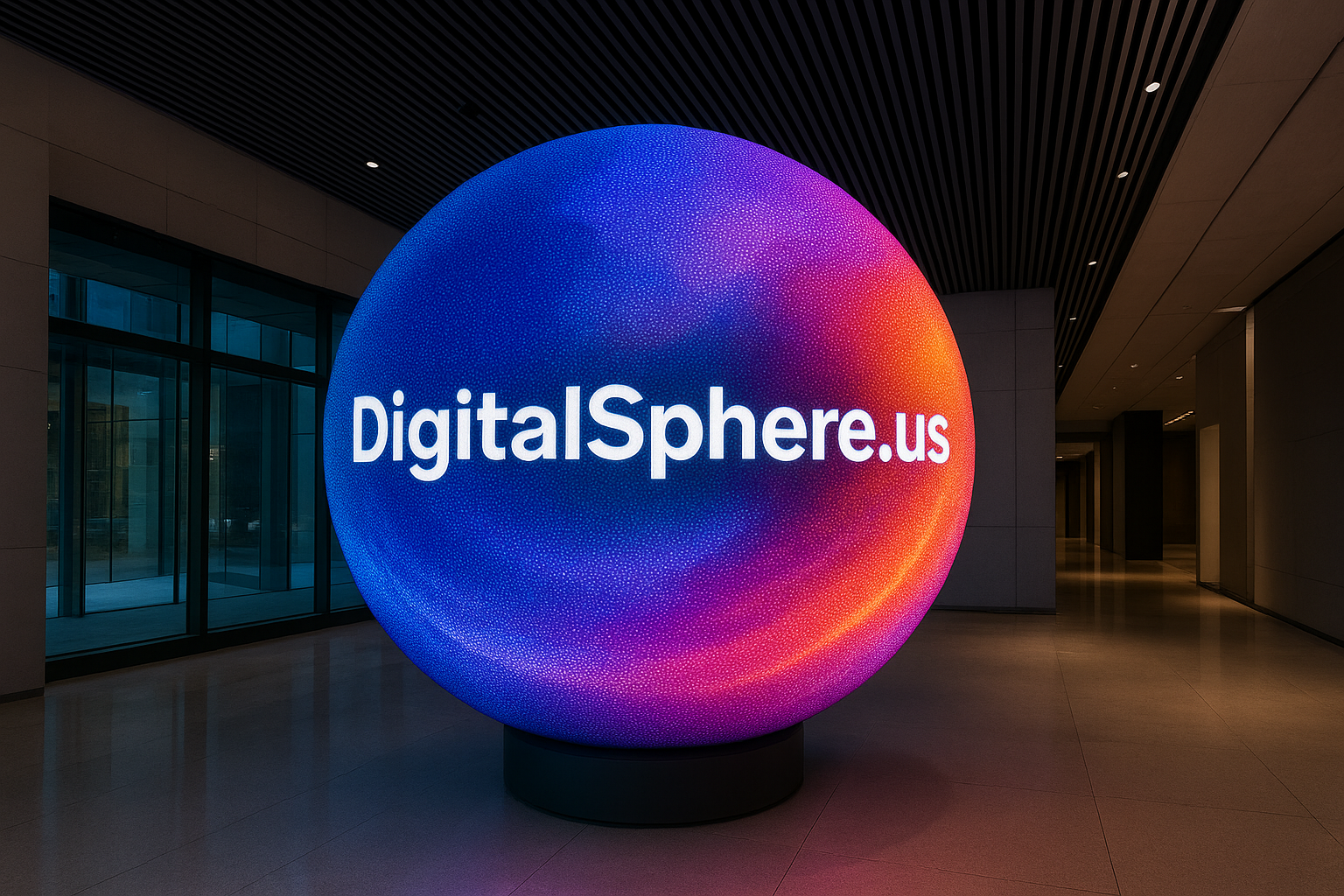
Digital Sphere Pixel Pitch Explained: Your Guide to Crystal-Clear Spherical Displays
When it comes to immersive visualization technologies, nothing captivates audiences like a high-definition digital sphere. But what makes some LED spheres look strikingly crisp while others appear pixelated? The answer boils down to one technical factor: pixel pitch. In this article, Digital Sphere Pixel Pitch Explained, we’ll break down what pixel pitch means, why it matters, and how to select the right digital sphere for your intended use—whether it’s for events, museums, science centers, or educational STEM learning.
What Is Pixel Pitch and Why Does It Matter?
Pixel pitch is a term used to describe the distance (usually measured in millimeters) between the center of one LED pixel to the center of the adjacent pixel on a display. In digital spheres and LED sphere displays, pixel pitch determines the density of the pixels—essentially, it’s the measure of how tightly packed the LEDs are on the surface of the sphere.
The smaller the pixel pitch, the closer the pixels are together, and the higher the resolution of your sphere display. This translates directly into image clarity: a sphere with a fine pixel pitch produces stunning visuals, even when viewed from a close distance, while a larger pixel pitch works best in larger venues where viewers stand back from the display.
Digital Sphere Pixel Pitch Explained: Key to Stunning Spherical Displays
Understanding pixel pitch for digital spheres is crucial, especially as these technologies become centerpieces for museum installations, planetariums, trade shows, and educational environments. The pixel pitch you choose determines how effective and immersive your content will be.
For instance, if your digital sphere is meant for close-up interaction—such as touch-enabled learning experiences—you’ll need a smaller pixel pitch to prevent viewers from seeing the gaps between pixels. On the other hand, a more prominent sphere used for overhead or stage environments can adopt a larger pixel pitch for cost efficiency while maintaining clear visuals from a distance.
Common Pixel Pitch Options for Digital Spheres
- High-Resolution (Fine Pitch) Spheres (1.5mm – 2.5mm): Ideal for interactive exhibits, educational settings, and museum spheres where viewers are close and clarity is paramount.
- Standard-Resolution Spheres (2.5mm – 4mm): Perfect for larger venues or events where visibility is key, but viewers are at least 10 feet away from the surface.
- Large-Scale Viewing (4mm+): Best for grand commercial displays, auditoriums, or event rental spheres where cost and size are balanced, and audience distance is significant.
How Pixel Pitch Affects Visual Quality
Pixel pitch has a direct impact on how content is perceived. Here’s a breakdown of its implications:
- Smaller Pixel Pitch: Higher pixel density, smoother images, vibrant color gradients, ideal for detailed educational content, high-end museum displays, and close-range viewing.
- Larger Pixel Pitch: Lower pixel density, potential “screen door” effect at close distances, more budget-friendly for large formats and far-viewing environments.
Choosing the Right Pixel Pitch for Your Application
When selecting an LED sphere for your project, consider these factors:
- Viewing Distance: How close will your audience be? Close-up STEM or museum interactives need finer pixel pitch.
- Content Type: Highly detailed visuals—like earth science simulations or live data—benefit from smaller pixel pitch. General graphics or bold branding for events can use larger pixel pitches.
- Budget and Size: Fine pitch comes at a premium; for oversized displays or temporary installations, a slightly larger pixel pitch delivers cost savings with great impact.
DigitalSphere.us Solutions: Bringing Clarity to Every Display
At DigitalSphere.us, we specialize in tailoring digital sphere solutions to your needs. Whether it’s a permanent educational sphere for a university, a jaw-dropping rental sphere for your next corporate event, or an interactive Earth sphere for science outreach, our consultants will help you choose the right pixel pitch based on your goals and space.
We also offer fully custom LED sphere displays with seamless integration into exhibit spaces, lobbies, and classrooms. Every project starts with an evaluation of viewing distance, environment lighting, and desired content.
Related Resource: Spherical Display Manufacturing
Looking for more on custom spherical display solutions? Explore additional technical resources at SSIDisplays.com, an industry leader in advanced visualization hardware and fabrication.
Applications of Fine Pixel Pitch Spheres
- Science Centers and Museums: Accurate earth data visualization, interactive climate change content, 3D astronomy models.
- Event Rental Spheres: Brand activations, product launches, immersive marketing, trade show booths with ultra-crisp graphics.
- Educational Spheres: STEM learning, outreach, spherical video learning tools with touch or gesture interactivity.
- Corporate and Retail: Eye-catching lobby features, data-driven presentations, or retail environments seeking experiential engagement.
Case Study: High-Resolution LED Sphere at a Technology Conference
One of our clients, a leading tech company, selected a 1.9mm pixel pitch digital sphere for its annual innovation summit. With over 1,000 attendees interacting with up-to-the-minute global data, the fine pitch ensured every infographic, animation, and video played crisply—leaving a lasting impression and encouraging unforgettable engagement.
Frequently Asked Questions: Digital Sphere Pixel Pitch Explained
- What is the optimal pixel pitch for a digital sphere used in a museum?
- For museum displays where visitors view content up close, we recommend a pixel pitch between 1.5mm and 2.5mm. This delivers exceptional clarity for educational and scientific visualization.
- Can I rent a digital sphere with custom pixel pitch for my event?
- Absolutely! DigitalSphere.us provides rental spheres in various pixel pitches to meet the needs of any venue or audience size.
- How does pixel pitch affect viewing distance?
- Smaller pixel pitch is best for close-up viewing, while larger pixel pitch is ideal for far-viewing applications. The closer the audience, the finer the pixel pitch required for seamless visuals.
- Are fine pixel pitch LED spheres more expensive?
- Yes, higher pixel density requires more LEDs and advanced manufacturing, increasing the cost. However, the investment yields unparalleled image quality, vital for flagship installations.
- Who can advise me on choosing the correct pixel pitch?
- The experts at DigitalSphere.us are ready to consult with you and recommend the best solution for your goals and budget.
Conclusion: Make the Most of Your Investment with the Right Pixel Pitch
Choosing the correct pixel pitch is the cornerstone of creating impactful, immersive digital sphere displays. Whether for a permanent museum exhibit, educational STEM installation, or attention-grabbing event rental sphere, understanding pixel pitch empowers you to match technology with your vision.
Ready to design a stunning, crystal-clear digital sphere for your next project? Contact DigitalSphere.us today for a free consultation and discover how our display solutions can transform your space.
