
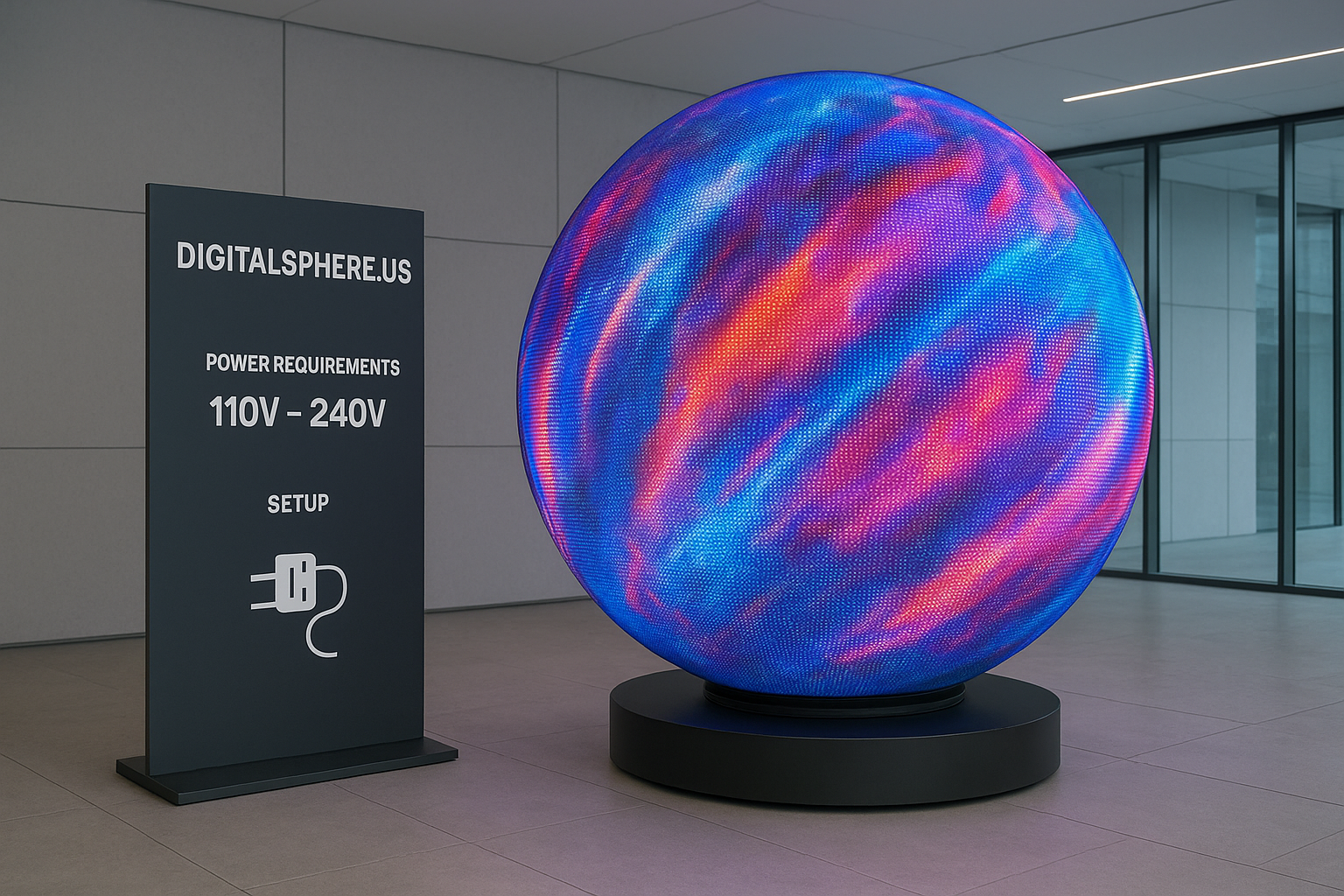
Digital Sphere Power Requirements: Essential Guide for Optimal Performance
As digital technology continues to evolve, Digital Sphere Power Requirements are becoming a crucial consideration for museums, educational institutions, event organizers, and businesses utilizing immersive visualization. With modern digital and LED sphere displays such as those offered by DigitalSphere.us, understanding the electrical needs and installation best practices is central to achieving reliable, safe, and impressive spherical displays. In this comprehensive guide, we break down everything you need to know to power your digital sphere for both temporary installations and permanent venues.
Why Understanding Digital Sphere Power Requirements Matters
Digital spheres, LED spheres, and interactive globe displays offer unique, visual experiences. However, their complexity means that power requirements can vary significantly depending on size, technology, usage pattern, and installation environment. Ensuring the correct power supply is vital for:
- Consistent performance and image quality
- Safety for users and venue infrastructure
- Long-term maintenance and system longevity
- Meeting local electrical code compliance
Both permanent and rental sphere options from DigitalSphere.us integrate advanced technology, making power planning central to your project’s success.
Key Elements in Digital Sphere Power Requirements
- Display Size and Resolution: Larger and higher resolution LED spheres require more power.
- Display Technology: Choice between projection-based, direct-view LED, or hybrid solutions influences total consumption.
- Interactivity Modules: Touch sensors, gesture interfaces, or integrated speakers add to power draw.
- Control & Media Servers: Sophisticated visualization spheres require robust content processing and playback systems.
- Environmental Considerations: Venues with variable temperatures or humidity may require auxiliary systems like climate control.
Typical Power Consumption of Digital Spheres
Understanding the average power draw of digital spheres helps in pre-planning your installation. While specifics vary by model, here are reference values based on industry standards and real-world installations:
Small to Mid-Size LED Spheres (1m – 2m diameter)
- Average Power: 400W – 1,200W
- Peak Power (Full White, Max Brightness): 900W – 2,500W
- Recommended Circuit: Dedicated 15-20A, 110-220V
Large Event & Permanent Installation Spheres (2m – 6m diameter)
- Average Power: 2,000W – 8,000W+
- Peak Power: 4,000W – 16,000W+
- Recommended Circuit: Dedicated 20-40A, 220-240V
Additional equipment such as video processors, audio systems, and computers can add 10-30% to the total.
Power Supply & Infrastructure Considerations
Dedicated Circuits and Load Assessment
For safe and effective operation, always install digital spheres on dedicated electrical circuits. Assess the Digital Sphere Power Requirements by:
- Consulting sphere system documentation
- Factoring in possible add-ons like touch panels or extra lighting
- Allowing 20% headroom for peak operation
UPS and Power Conditioning
Uninterruptible Power Supply (UPS) systems help prevent abrupt shutdowns and protect sensitive digital sphere electronics during power fluctuations or outages. Likewise, quality surge protectors and power conditioners keep your investment safe in environments with unstable voltage.
Best Practices for Digital Sphere Power Planning
1. Early Electrical Planning
Coordinate with electrical engineers, facility managers, and technology providers as early as possible. Share official power specs, often included with display purchase or rental from providers such as DigitalSphere.us.
2. Compliance with Local Codes
Work with local licensed electricians to ensure installations meet regulatory and safety codes – especially important for public venues.
3. Redundancy & Safety Features
Consider dual feeds, emergency disconnects, and remote shut-off capabilities for mission-critical installations.
Case Study: Museum Earth Sphere Installation
For a recent natural history museum installation, a 3-meter LED Earth sphere from DigitalSphere.us was specified. The display required:
- Total system power: 4,200W (average), 7,500W (peak)
- Dedicated 30A, 240V line
- Integrated control server adding 350W
- Overhead cable routing and surge-protected power distribution
Through advance planning and professional installation, the project exceeded reliability and safety standards, providing round-the-clock educational visualization to thousands of visitors.
Comparing Digital Sphere Power Requirements to Other Display Technologies
When compared to large flat panel video walls or projection domes, LED spheres typically offer:
- Similar or slightly higher power consumption per square meter of active display area
- Greater emphasis on dedicated infrastructure because of 360-degree visibility
- Superior energy efficiency at modern high-brightness LED densities vs. legacy projection systems
For a deep dive into large format digital display solutions and their power demands, see additional resources at SSIDisplays.com.
Solutions from DigitalSphere.us
From compact, portable STEM learning globes to room-dominating museum installations, DigitalSphere.us offers both standard and custom engineered spheres. Each solution comes with:
- Detailed power requirement documentation
- Installation support and site consulting
- Built-in electrical safety features
- Optional rental packages with pre-configured power kits
These comprehensive services ensure that customers avoid costly mistakes – whether at a temporary trade show booth or a state-of-the-art science center.
Digital Sphere Power Requirements: Frequently Asked Questions
How much power does a typical digital sphere require?
Most digital spheres for commercial or museum use consume between 400W and 8,000W, depending on size and brightness. Always refer to the manufacturer’s documentation for the precise specification.
Can I run a digital sphere on a standard wall outlet?
Smaller digital and LED spheres (under 2m diameter) may run on a single 15-20A outlet, but larger installations require dedicated circuits, typically 220-240V. Always check the official requirements in your installation manual.
What safety precautions should I take when installing an LED sphere?
Work with licensed electricians, use surge protection, ensure access to emergency shut-off, and follow all local electrical codes. Consult providers like DigitalSphere.us for best practices and installation support.
Conclusion: Powering Your Digital Sphere for Maximum Impact
Whether you’re integrating a digital sphere into a new science center, renting an interactive sphere for a corporate event, or installing a permanent LED visualization globe, understanding and planning for Digital Sphere Power Requirements is non-negotiable. Thoughtful infrastructure design ensures smooth operation, visitor safety, and stunning immersive visuals for years to come.
For tailored advice and end-to-end solutions, contact DigitalSphere.us. Our experts help you choose the right sphere, specify exact power and installation needs, and deliver successful, powerful digital experiences for any venue or event.
